In the ever-evolving world of mental health treatment, EMDR therapy has emerged as one of the most effective approaches for addressing trauma and emotional distress. EMDR, or Eye Movement Desensitization and Reprocessing, offers a unique, evidence-based method that helps individuals process past traumatic experiences and reduce their lingering impact on daily life. This therapy is gaining recognition not only among clinicians but also among individuals searching for alternatives to traditional talk therapy.
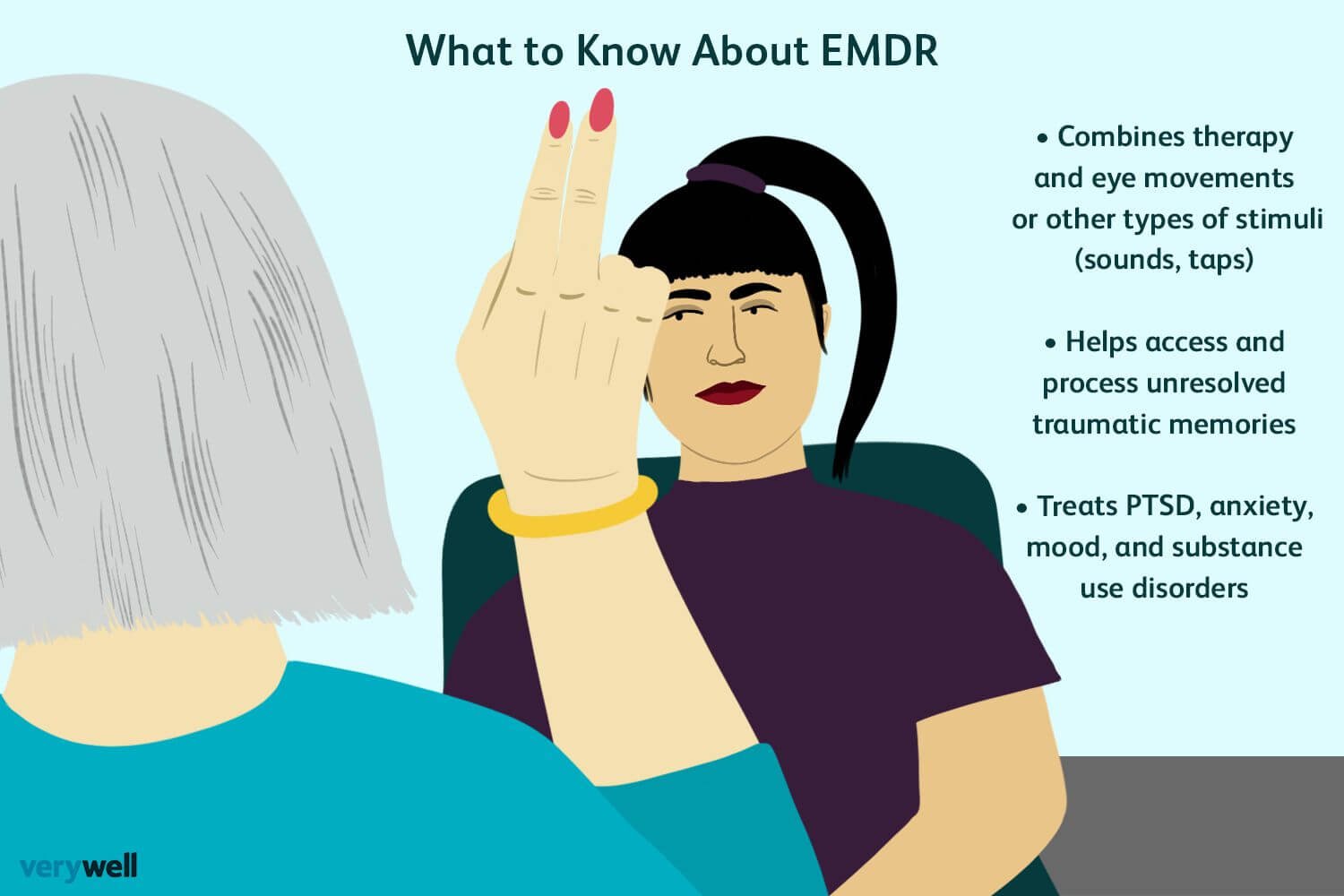
EMDR therapy was developed by Francine Shapiro in the late 1980s. She discovered that certain eye movements could reduce the emotional intensity of disturbing thoughts. Building on this observation, she created a structured approach to help people reprocess trauma. Since its inception, EMDR therapy has undergone extensive research and clinical validation, and today it is recommended by major health organizations, including the World Health Organization (WHO) and the American Psychological Association (APA).
One of the most compelling aspects of EMDR therapy is its structure, which typically involves eight distinct phases. These include history-taking, preparation, assessment, desensitization, installation, body scan, closure, and reevaluation. Each stage plays a vital role in ensuring the client feels safe, supported, and ready to process distressing memories. This step-by-step approach allows EMDR therapy to be tailored to each individual’s needs and psychological readiness.
During EMDR therapy sessions, the client is asked to focus on a troubling memory while simultaneously following the therapist’s finger or another object moving from side to side. This bilateral stimulation, which can also include taps or auditory tones, is believed to facilitate the brain’s natural processing mechanisms. As the memory is reprocessed, the distress associated with it typically decreases, and new, more adaptive beliefs can take its place. In this way, EMDR therapy helps transform how past experiences are stored in the brain.
What sets EMDR therapy apart from other therapeutic approaches is its minimal reliance on verbal discussion of the trauma. For many individuals, talking extensively about painful memories can be overwhelming or even retraumatizing. EMDR therapy offers a way to work through these experiences without needing to articulate every detail. This makes it especially beneficial for people who struggle with expressing emotions or who have experienced complex trauma.
In addition to trauma and PTSD, EMDR therapy is increasingly being used to treat a variety of other mental health conditions. These include anxiety, depression, phobias, panic disorders, and even chronic pain. Research continues to explore its effectiveness across different populations and disorders, and early results are promising. By addressing the root cause of emotional distress rather than just the symptoms, EMDR therapy offers a comprehensive path to healing.
Many individuals report noticeable improvements after just a few sessions of EMDR therapy. For others, especially those with complex trauma or multiple traumas, treatment may take longer. Regardless of the timeline, clients often describe the experience as empowering and transformative. They are not merely learning to cope with their trauma—they are fundamentally changing the way their brain responds to it. This deep level of healing is what makes EMDR therapy so impactful.
Despite its growing popularity, there are still misconceptions surrounding EMDR therapy. Some skeptics question how something as simple as eye movements can lead to significant psychological change. However, numerous studies and neurological findings support the theory that bilateral stimulation helps integrate traumatic memories more effectively. EMDR therapy is not based on pseudoscience; it is grounded in decades of research and clinical success.
Choosing a qualified therapist is crucial when considering EMDR therapy. Certified EMDR practitioners undergo specialized training to ensure they can safely and effectively guide clients through the process. It’s important for individuals to feel comfortable and supported by their therapist, as trust is a key component of successful treatment. When delivered by a skilled professional, EMDR therapy can offer life-changing results.
As mental health awareness continues to grow, more people are exploring alternative therapies that align with their unique needs. EMDR therapy offers a promising option for those who have not found relief through traditional methods. Its ability to facilitate healing at both the emotional and neurological levels makes it a valuable tool in the therapeutic landscape.
In conclusion, EMDR therapy represents a powerful and innovative approach to healing psychological trauma. Its structured process, scientific backing, and transformative potential have made it a preferred choice for many mental health professionals and clients alike. As more individuals discover the benefits of EMDR therapy, it stands to play an increasingly important role in how we understand and treat emotional suffering.